Rx · Weekly injectionMost popular
Weight Management
Provider-prescribed GLP-1 programs paired with daily metabolic nutrition, designed to help you keep the progress you make.
Online intake in minutes. A licensed provider determines if treatment is appropriate.

Is this for you
Our weight care is built for adults who have tried the usual advice and want a medical approach. If any of these sound familiar, start with a short assessment.
Recognise two or more? A provider can help.
Take the assessmentReoptive MD
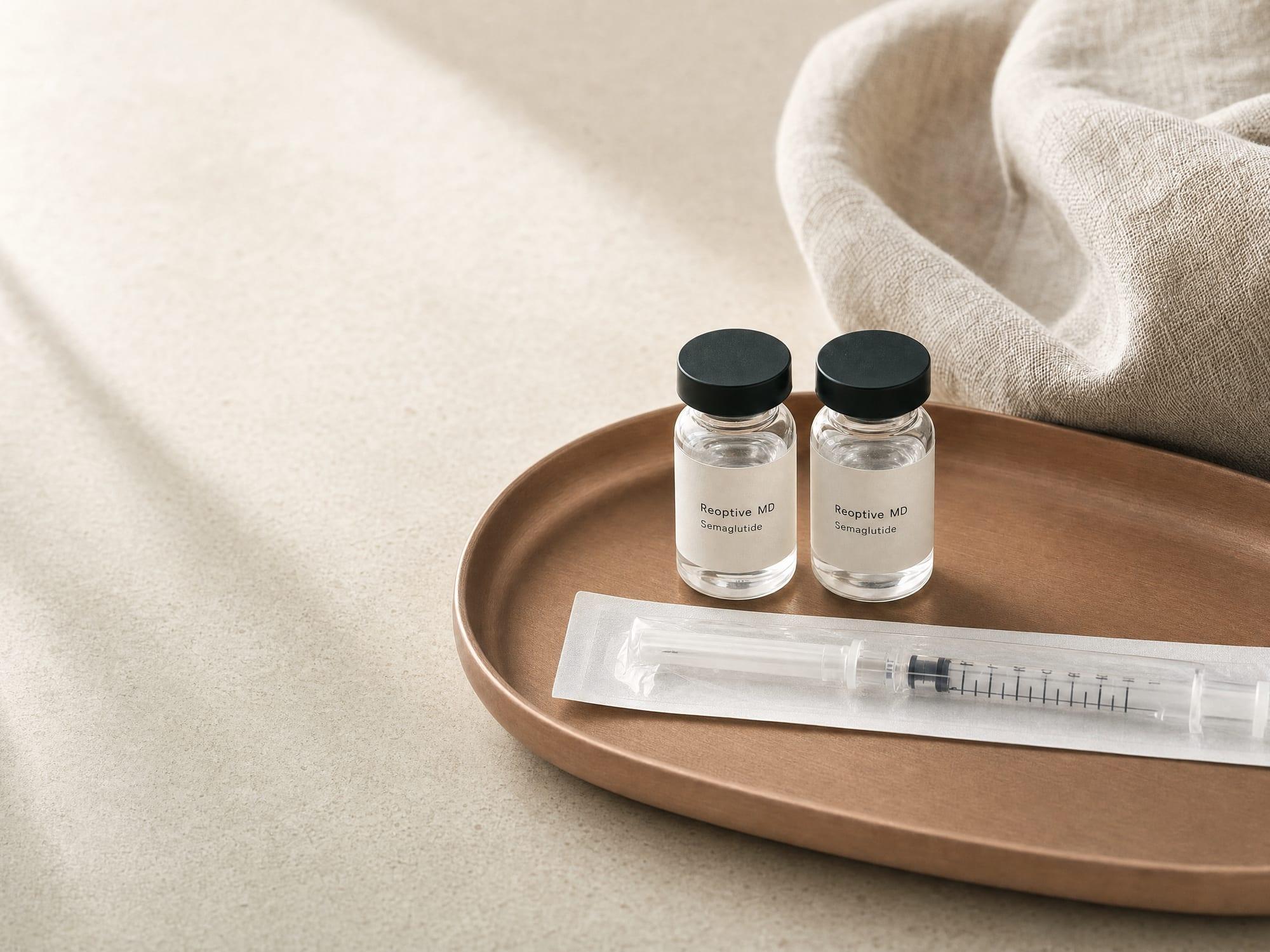
Weekly GLP-1 injections or needle-free daily tablets. A licensed provider will determine which option, if any, is appropriate.
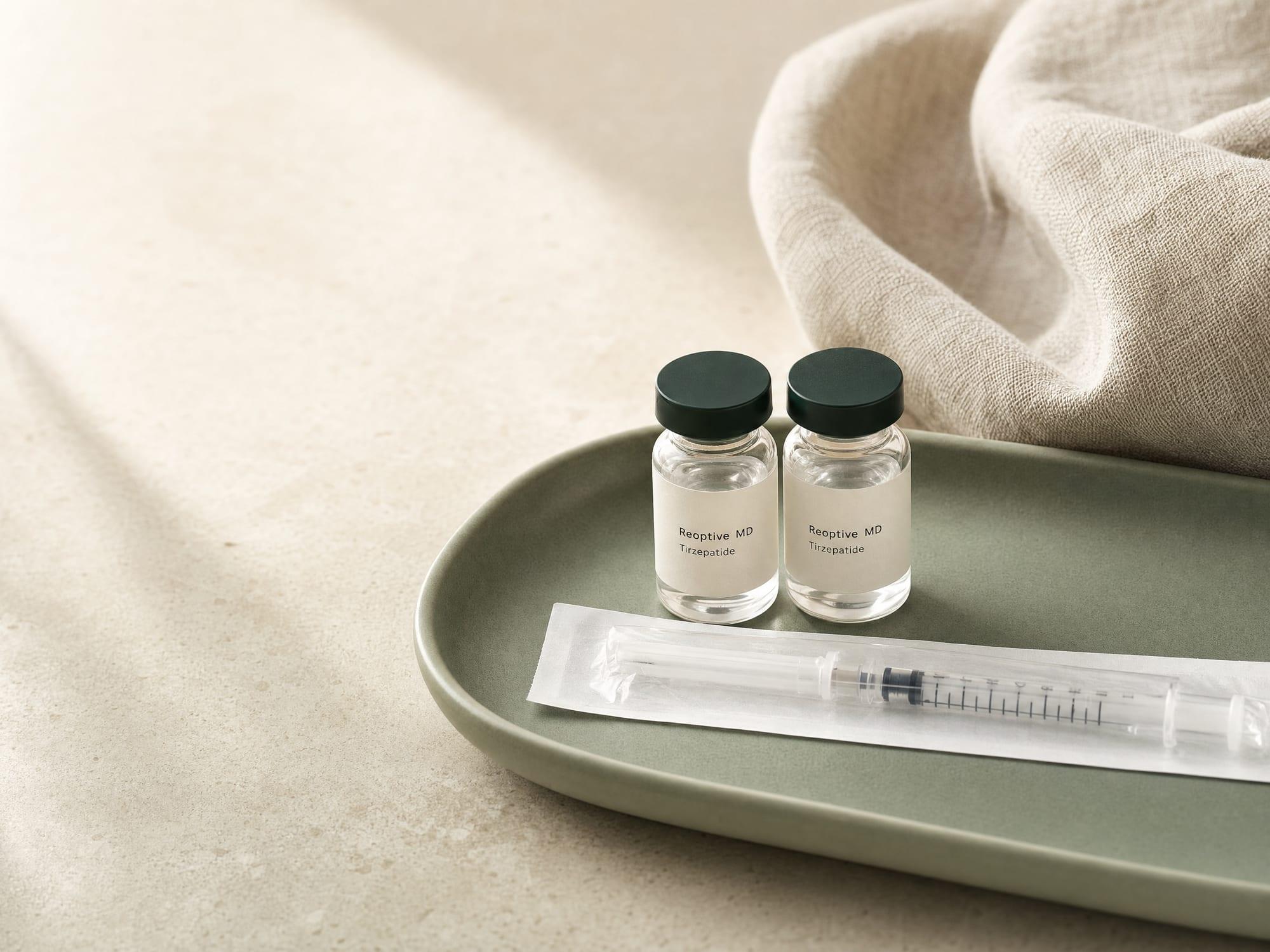
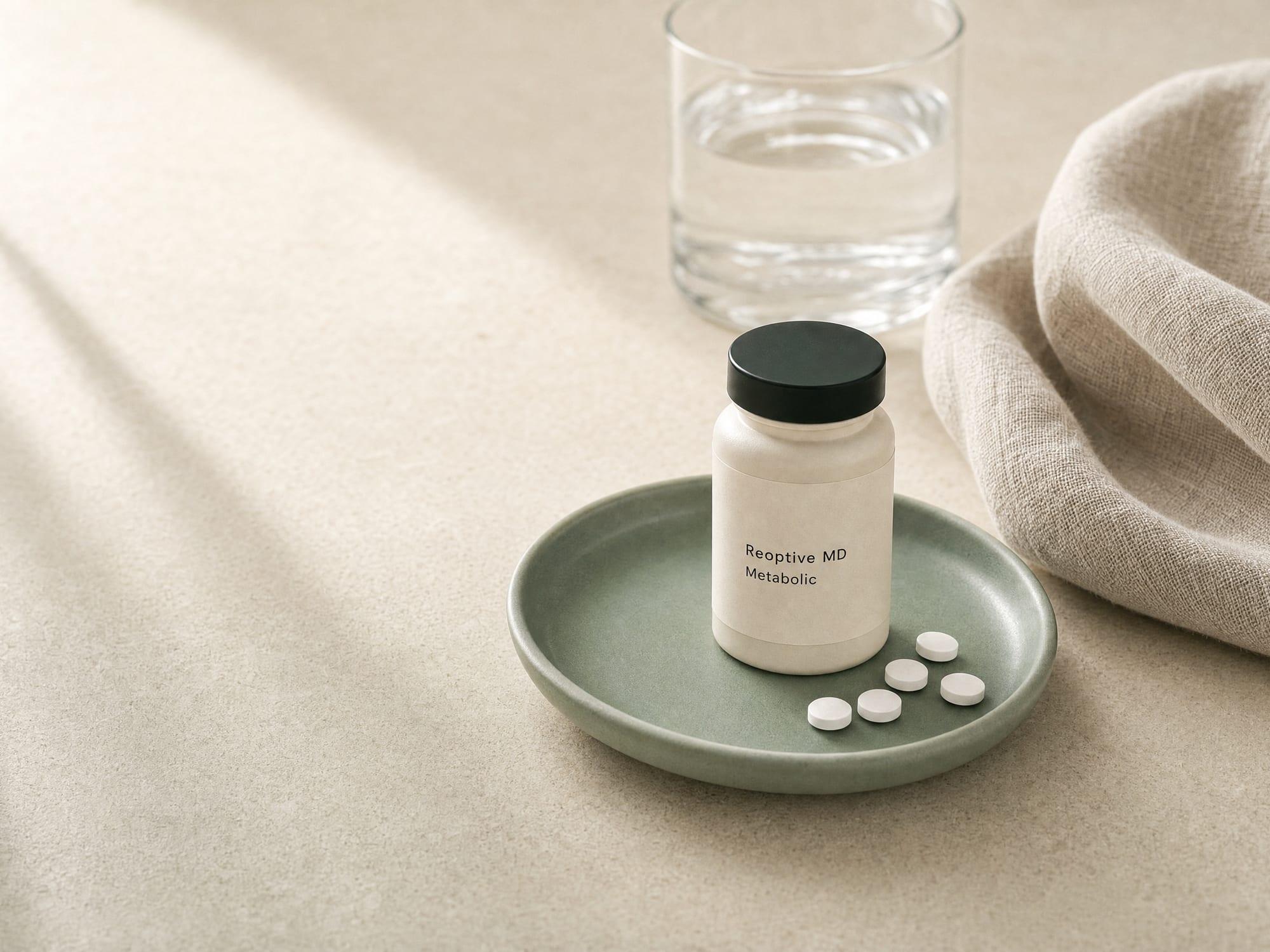
Prescription products require an online consultation with a licensed provider who will determine if treatment is appropriate. Compounded medications are prepared by licensed U.S. pharmacies and are not FDA-approved. Individual results vary.
Better together
GLP-1 medication quiets appetite, which means you eat less of everything, including protein and minerals. Pairing it with targeted nutrition helps you protect the muscle and energy you want to keep.
Reoptive MD · Rx
Reduces appetite and food noise so a calorie deficit feels manageable.
If prescribed by a licensed provider.
Supplement · WM-02
HMB, electrolytes and ginger to support lean mass, hydration and digestion while you eat less.
No prescription needed.*
A typical protocol
Weekly · Rx
GLP-1 injection
Same day each week. Dose titrated slowly by your provider.
Daily · Supplement
GLP-1 Companion
One stick in water to cover electrolytes, B-vitamins and HMB.
Every meal · Care
Protein first
Aim for 25–30 g of protein before anything else on the plate.
Monthly · Care
Care team check-in
Review progress, side effects and your next dose step.
Illustrative only. Your provider sets your actual plan, and supplements do not replace prescribed treatment.
Reoptive supplements
Formulas for steadier blood sugar and for the specific nutrient gaps that come with GLP-1 medication. No prescription needed.
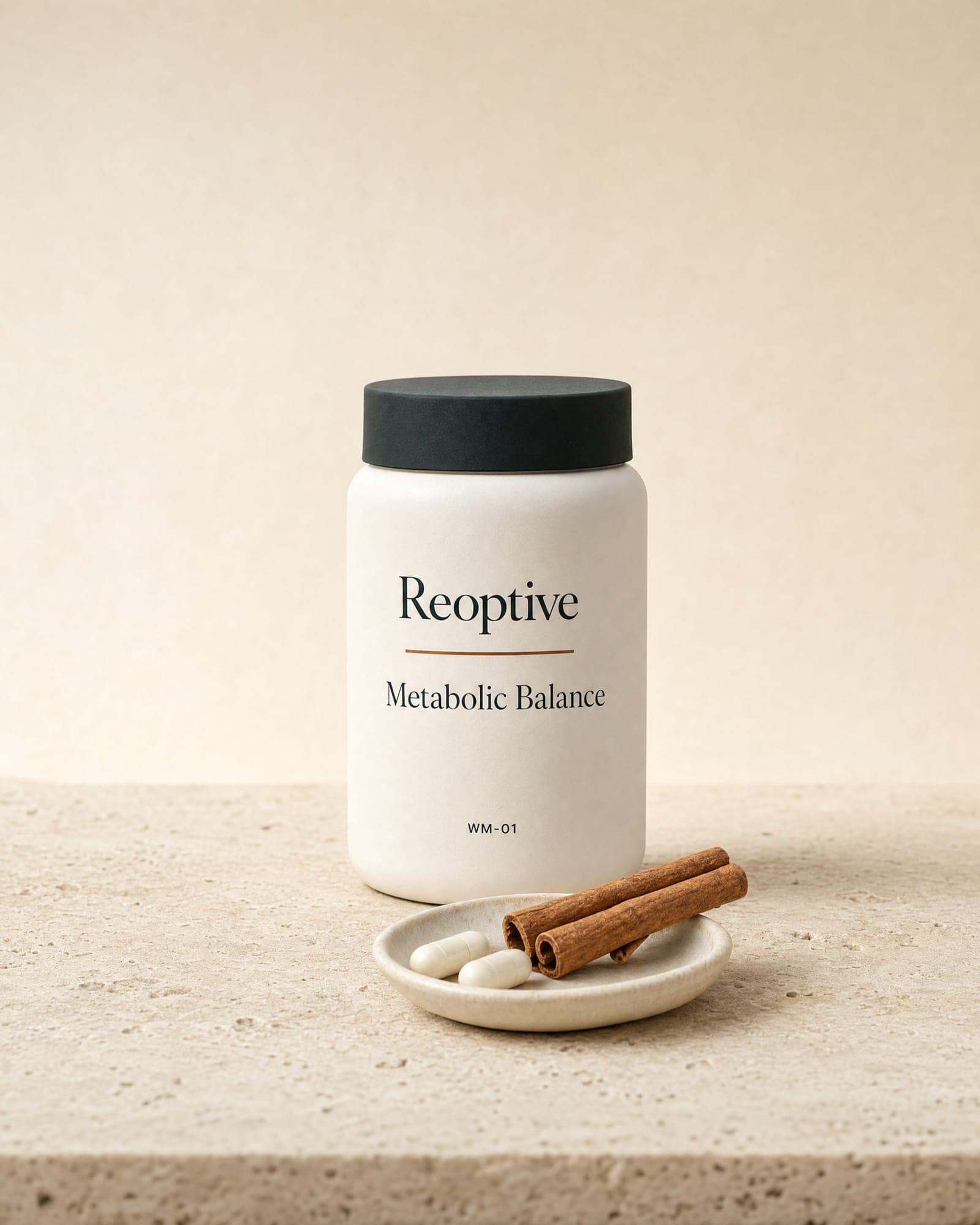
Blood sugar and appetite support, every day.
Subscribe & save 19%
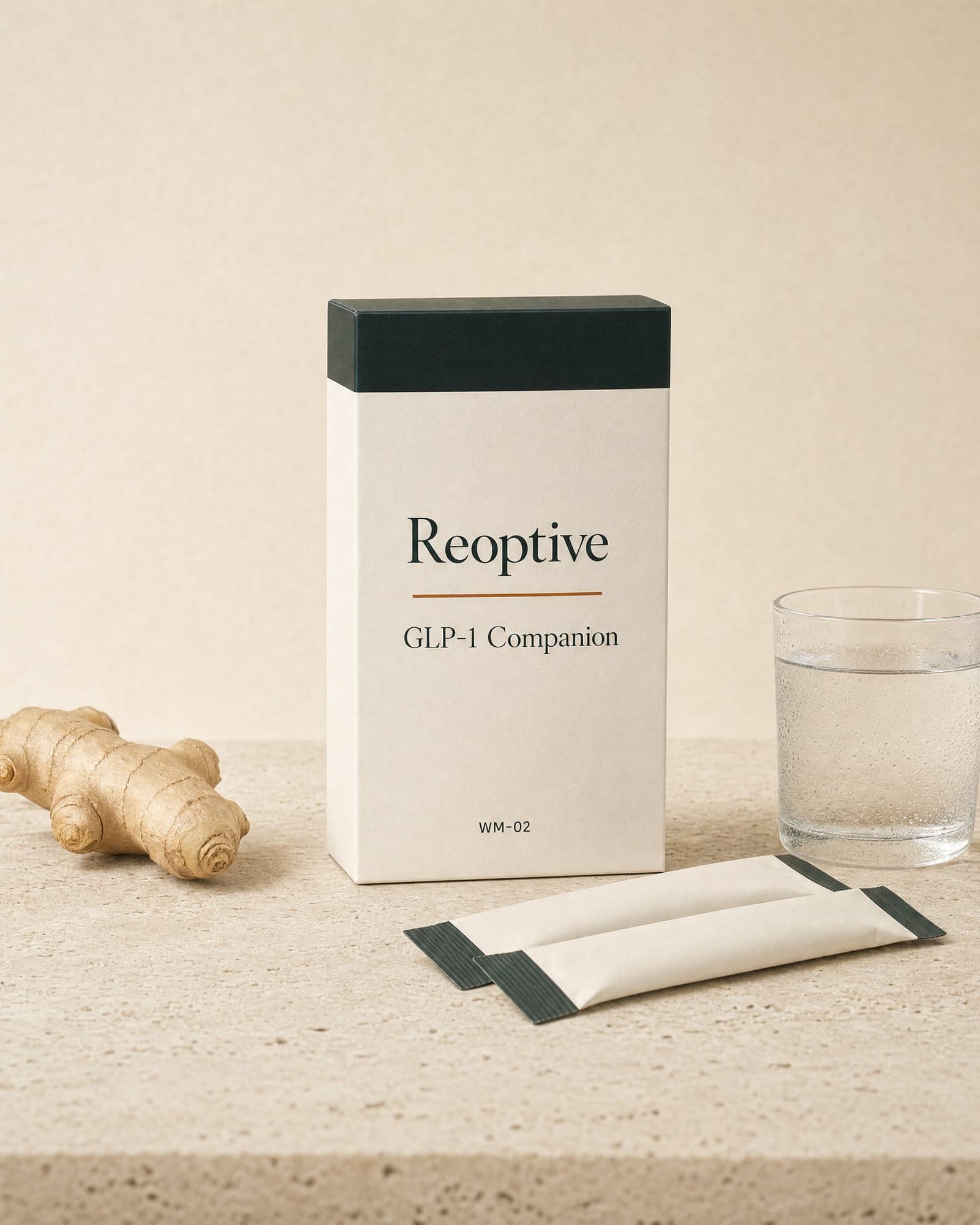
Subscribe & save on every delivery. Skip or cancel anytime. *These statements have not been evaluated by the Food and Drug Administration.
How care works

01 · About 5 minutes
Answer questions about your health, history and goals.

02 · Within 24–72 hours
A licensed provider reviews your intake and determines if treatment is appropriate.

03 · 2–5 business days
If prescribed, medication ships from a licensed U.S. pharmacy alongside any supplements.

04 · Every step
Unlimited messaging, check-ins and dose adjustments as you progress.
The evidence
Figures come from clinical trials of FDA-approved brand-name medications alongside diet and activity changes. Compounded medications are not FDA-approved. Individual results vary.
Weight Management members
The food noise went quiet in the first few weeks. My provider moved my dose slowly, and the Companion sticks made the early nausea much easier.
I had tried every plan going. Having a provider who answers messages the same day is what made this stick for me.
I did not want injections. The oral program and Metabolic Balance were a good fit, and the monthly check-ins keep me honest.
Individual experiences. Results vary from person to person.
Questions
What people ask most about weight management care at Reoptive.
GLP-1 medications are generally considered for adults with a BMI of 30 or higher, or 27 or higher with a weight-related condition such as high blood pressure or prediabetes. Your provider reviews your full history before deciding whether treatment is appropriate.
Semaglutide acts on the GLP-1 receptor. Tirzepatide acts on both GLP-1 and GIP receptors. In clinical studies tirzepatide produced greater average weight loss, but the right choice depends on your history, goals, budget and how you tolerate medication.
No. Compounded medications are prepared by licensed U.S. pharmacies for individual patients and are not FDA-approved. Your provider will explain the options, including brand-name medications where appropriate.
The most common are nausea, constipation, reflux and reduced appetite, usually during dose increases. Slow titration, hydration, smaller meals and enough protein help. Your care team is available by message if anything feels off.
Eating less can make it harder to get enough protein, electrolytes and B-vitamins. GLP-1 Companion is formulated to help fill those gaps and support lean mass. It is not a substitute for medical care or a balanced diet.
Research shows many people regain weight after stopping GLP-1 medication. Your provider will help you plan a gradual approach and build habits, such as strength training and protein intake, that support long-term maintenance.
Weight Management
Tell us about your health and goals. A licensed provider reviews it, usually within 24–72 hours, and recommends a plan if treatment is appropriate.
Your cart is empty.
Browse our third-party tested supplements, or take a short assessment to see what may fit your goals.