GLP-1s and muscle: how to protect lean mass
Why protein, resistance training and pacing matter while appetite is lower.
- Written by
- Maya LindqvistMS, RD
- Medically reviewed by
- Dr. Arjun MehtaMD, Obesity Medicine
- Published
- 6 min read
GLP-1 medications such as semaglutide and tirzepatide have changed what is possible for many people living with obesity. They reduce appetite, slow stomach emptying and make eating less feel less like a constant fight. But when you lose weight by any method, not all of it comes from fat. Some comes from lean mass: muscle, along with water, organ tissue and bone.
That is not unique to these medications. It is true of calorie-restricted diets and of bariatric surgery too. What is different with GLP-1s is the size and pace of the weight loss, and the fact that appetite can fall so far that protein intake quietly falls with it. The good news is that the most effective ways to protect muscle are well understood, inexpensive and largely within your control.
How much lean mass is lost?
In the STEP 1 trial of semaglutide 2.4 mg, a subgroup of participants had their body composition measured by DXA scan. Lean mass accounted for roughly two-fifths of the total weight they lost. Other large weight-loss interventions have reported broadly similar ranges, although the numbers vary with study design and population.
Two caveats are worth knowing. First, lean mass on a DXA scan is not the same as muscle; it includes water and other non-fat tissue. Second, participants in most trials were not following a structured protein or strength-training plan. Those are exactly the levers that research suggests can shift the ratio in your favor.
Why muscle matters
- Muscle is the body's largest site of glucose uptake, so it plays a central role in blood sugar control.
- Strength and muscle mass are closely linked with mobility, fall risk and independence as we age.
- Muscle contributes to resting energy expenditure, which may make a new weight easier to maintain.
- Feeling strong makes it easier to stay active, which supports almost every other health goal.
1. Make protein the anchor of every meal
When appetite is low, protein is often the first thing to slip, because it is filling and usually takes effort to prepare. Many clinicians suggest around 1.2 to 1.6 grams of protein per kilogram of goal or adjusted body weight per day during active weight loss, unless you have kidney disease or another reason to limit it. For many adults that works out to roughly 90 to 130 grams a day.
How you spread it out matters too. Three or four meals with 25 to 40 grams each appear to stimulate muscle protein synthesis more effectively than one large serving at dinner.
- Eat the protein portion of your plate first, before you reach fullness.
- Keep easy options on hand: Greek yogurt, cottage cheese, eggs, fish, tofu, lentils and protein shakes.
- If solid food is hard to face, liquid protein is a practical bridge.
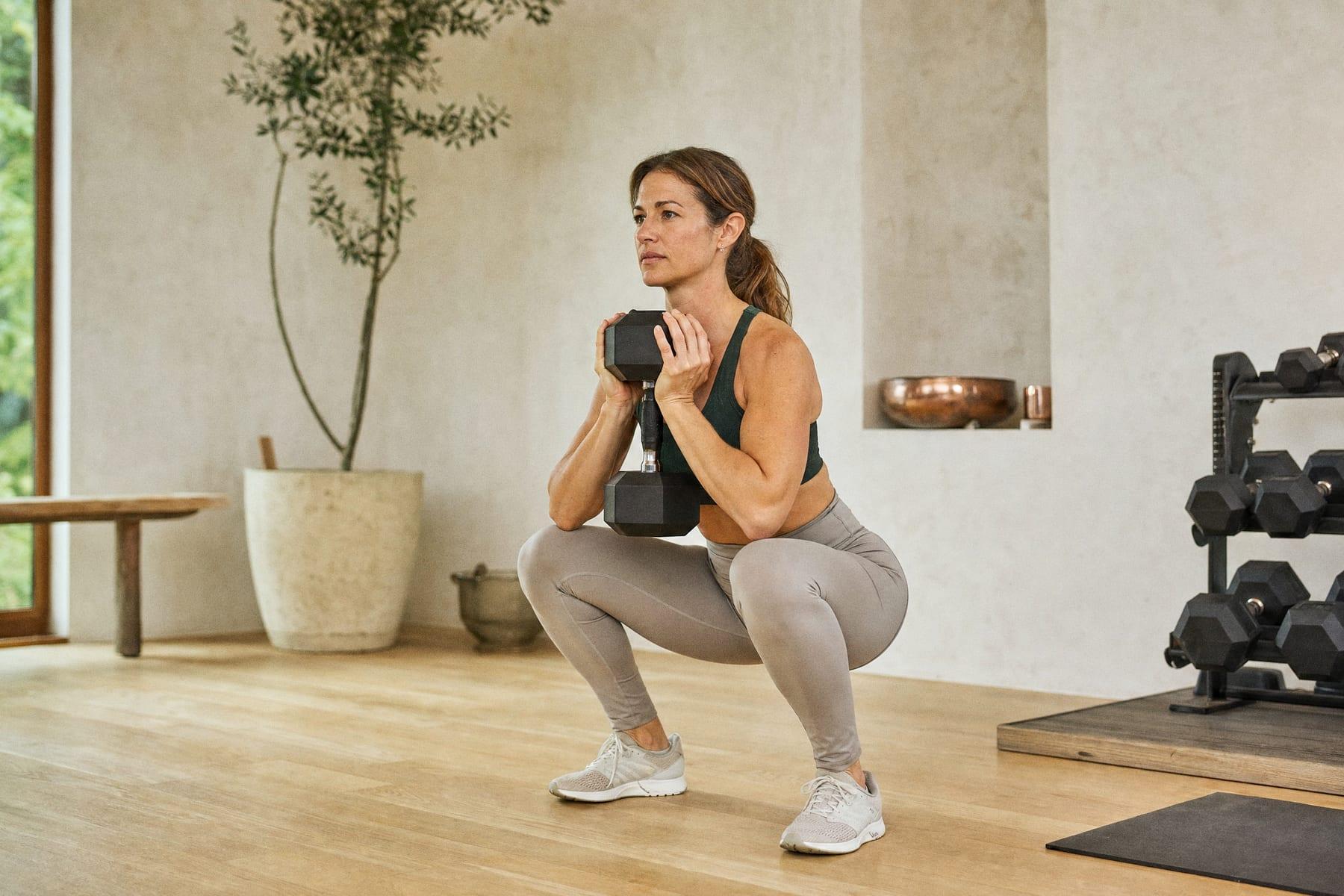
2. Lift something, two to three times a week
Resistance training is the strongest signal you can send your body to keep muscle. In a randomized trial of older adults with obesity who were losing weight, those who included strength training lost noticeably less lean mass than those who only did aerobic exercise.
It does not need to be complicated. Two or three full-body sessions a week that cover a push, a pull, a squat or lunge and a hip hinge, taken close to fatigue, is a solid foundation. Bands, dumbbells and bodyweight all count. Progress slowly by adding repetitions or load over time.
3. Respect the pace
Faster is not always better. Dose escalation on GLP-1 medications is gradual for a reason: it helps limit side effects like nausea and gives your eating and training habits time to catch up. If you notice weakness, dizziness or a sharp drop in workout performance, tell your care team. They may adjust your dose, your nutrition plan or both.
4. Cover the basics
- Hydration: eating less often means drinking less. Aim for steady fluids through the day.
- Fiber and micronutrients: smaller portions leave less room for vegetables, so choose them deliberately.
- Sleep: short sleep during calorie restriction has been linked to losing more lean mass and less fat.
- Creatine monohydrate: one of the most studied supplements for strength training. Ask your provider whether it suits you.
Measure what matters
The scale cannot tell you what kind of weight you are losing. Track a few other signals as well: waist measurement, how your clothes fit, and simple strength markers such as how many push-ups or sit-to-stands you can do. Some clinics also offer DXA or bioimpedance scans for a fuller picture.
GLP-1 medications can be a powerful tool. Paired with enough protein and regular strength work, they are more likely to help you lose fat while keeping the muscle that keeps you strong. Results vary, and your provider can help tailor the plan to you.