NAD+, explained without the hype
What the research says about NAD+, aging and cellular energy, and what it does not.
- Written by
- Priya RamanPhD, Biochemistry
- Medically reviewed by
- Dr. Elena VargaMD, Internal Medicine
- Published
- 8 min read
NAD+ (nicotinamide adenine dinucleotide) is a molecule found in every living cell. It has become one of the most discussed topics in longevity, and with that attention has come a fair amount of overstatement. Here is what is known, what is not, and how to think about it sensibly.
What NAD+ does
NAD+ is a coenzyme: a helper molecule that enzymes need in order to work. Its best-known role is in energy metabolism, where it carries electrons through the reactions that turn food into ATP, the cell's energy currency. It is also used up by enzymes involved in DNA repair, known as PARPs, and by sirtuins, a family of proteins that help regulate how cells respond to stress.
Because these enzymes consume NAD+, cells are constantly rebuilding it. Most of that happens through the salvage pathway, which recycles nicotinamide, a form of vitamin B3, back into NAD+.
Does NAD+ decline with age?
Studies in animals and in some human tissues show that NAD+ levels tend to fall with age, alongside higher activity of NAD+-consuming enzymes such as CD38. In mice, restoring NAD+ with precursor molecules has improved several markers of metabolic and mitochondrial health. These findings explain much of the scientific interest.
The human picture is less settled. The size of the decline varies by tissue and by person, and it has not been shown that low NAD+ causes aging rather than simply accompanying it.
The precursors: NR, NMN and niacin
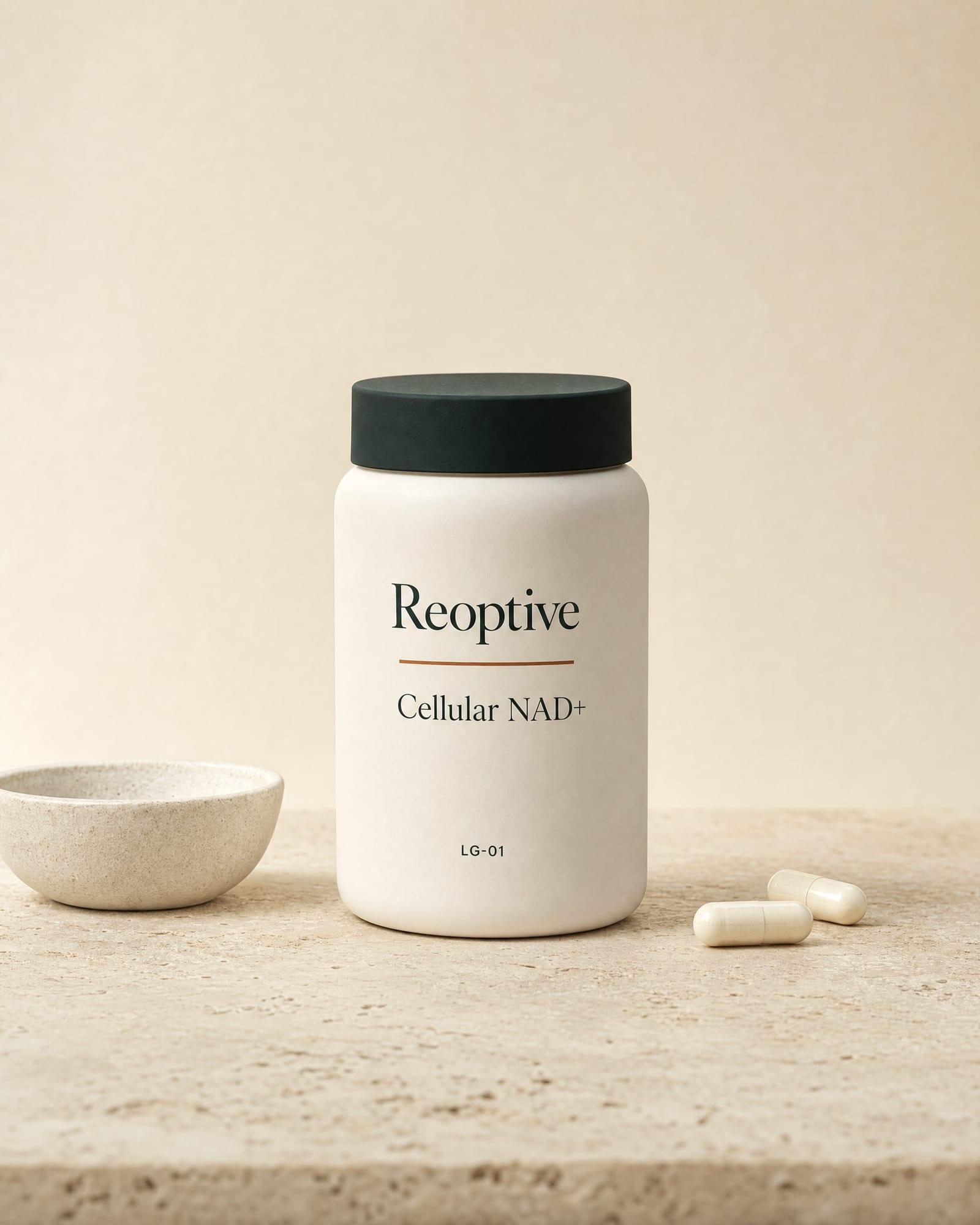
Swallowed NAD+ is largely broken down before it reaches your cells, so most supplements use precursors that the body converts into NAD+:
- Nicotinamide riboside (NR): the most studied in people. Trials show it reliably raises NAD+ in blood and is well tolerated at doses up to roughly 1,000 to 2,000 mg a day.
- Nicotinamide mononucleotide (NMN): one step closer to NAD+ in the pathway. Smaller human trials suggest it is also well tolerated and raises blood NAD+ levels.
- Niacin and nicotinamide: older, inexpensive forms of vitamin B3. High-dose niacin can cause flushing and has other effects, so it is best used with medical guidance.
What human trials have found
Several randomized controlled trials have shown that NR and NMN raise NAD+ levels in blood. Fewer have shown clear functional benefits. A small trial in women with prediabetes found that NMN improved muscle insulin sensitivity, and an NR trial in healthy older adults hinted at lower blood pressure. Other trials, including one of NR in men with obesity, found no meaningful change in insulin sensitivity or muscle mitochondrial function.
In short, raising NAD+ in the bloodstream is well established. Turning that into measurable improvements in health or lifespan in people remains an open question, and larger, longer trials are underway.
Injections and infusions
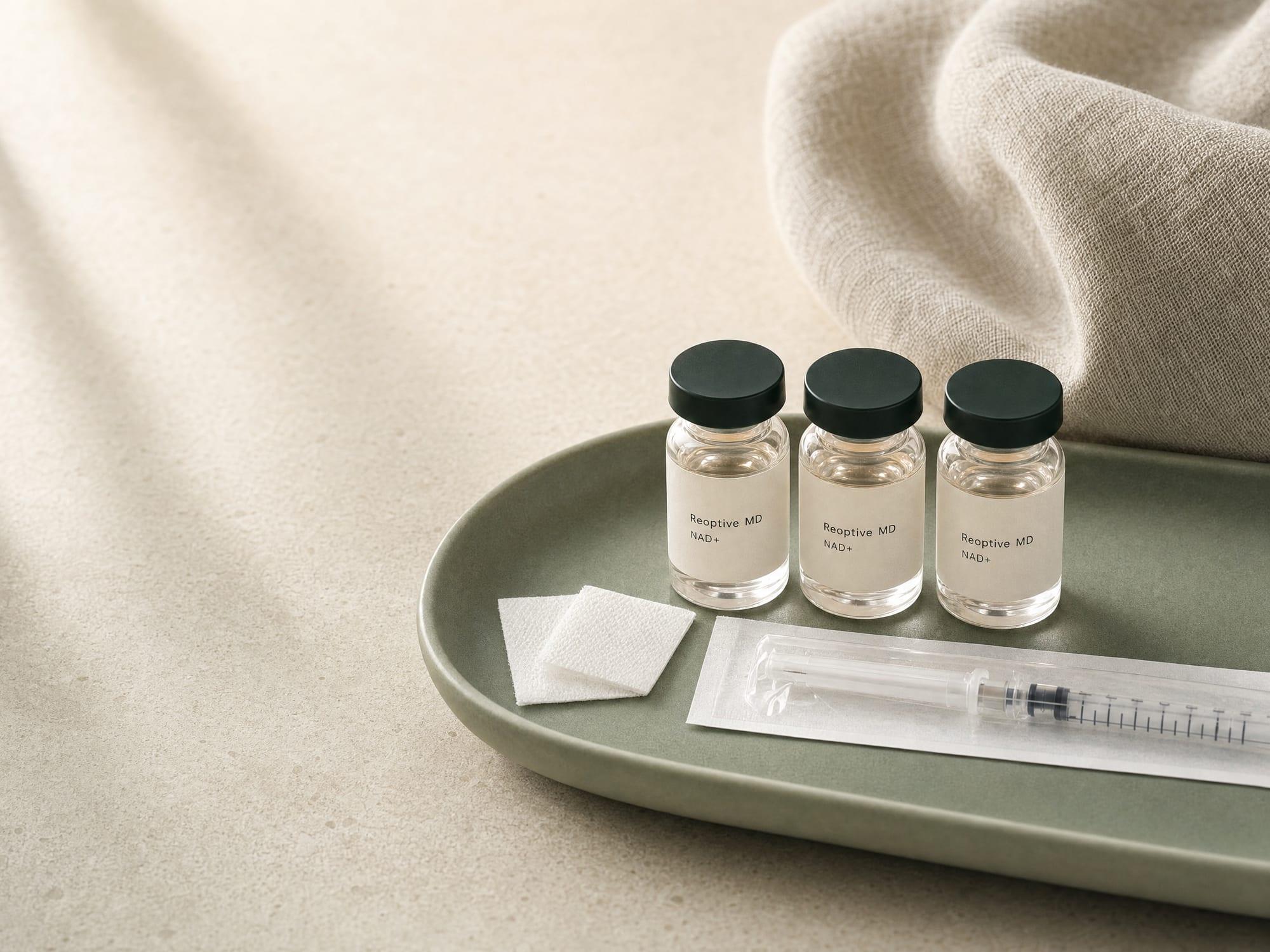
NAD+ is also offered as injections or IV infusions. These deliver NAD+ directly, but human research is limited, and how much of a dose reaches the inside of cells is uncertain. Infusions given too quickly commonly cause flushing, chest tightness, nausea or cramping, which is why they are given slowly. Any injectable protocol should be prescribed and monitored by a licensed provider who has reviewed your history and medications.
Where NAD+ fits in a longevity plan
NAD+ precursors are best treated as a possible complement to the fundamentals, not a substitute for them. The habits with the strongest evidence for healthspan have not changed:
- Regular aerobic exercise and strength training. Exercise itself increases the machinery muscle uses to make NAD+.
- Consistent, sufficient sleep.
- A diet built on whole foods, fiber and adequate protein.
- Not smoking, and keeping alcohol low.
- Knowing your numbers: blood pressure, lipids, glucose and other key biomarkers.
If you decide to try a precursor, choose a product that is third-party tested, start at a moderate dose and give it several weeks. Notice how you feel, and consider tracking objective markers with your provider rather than relying on impressions alone.
The bottom line
NAD+ is essential biology, and the science of supporting it is moving quickly. Current evidence shows that precursors can safely raise NAD+ levels in the short term. Whether that helps people live longer or better is not yet known, and it is worth being cautious of anyone who claims otherwise.